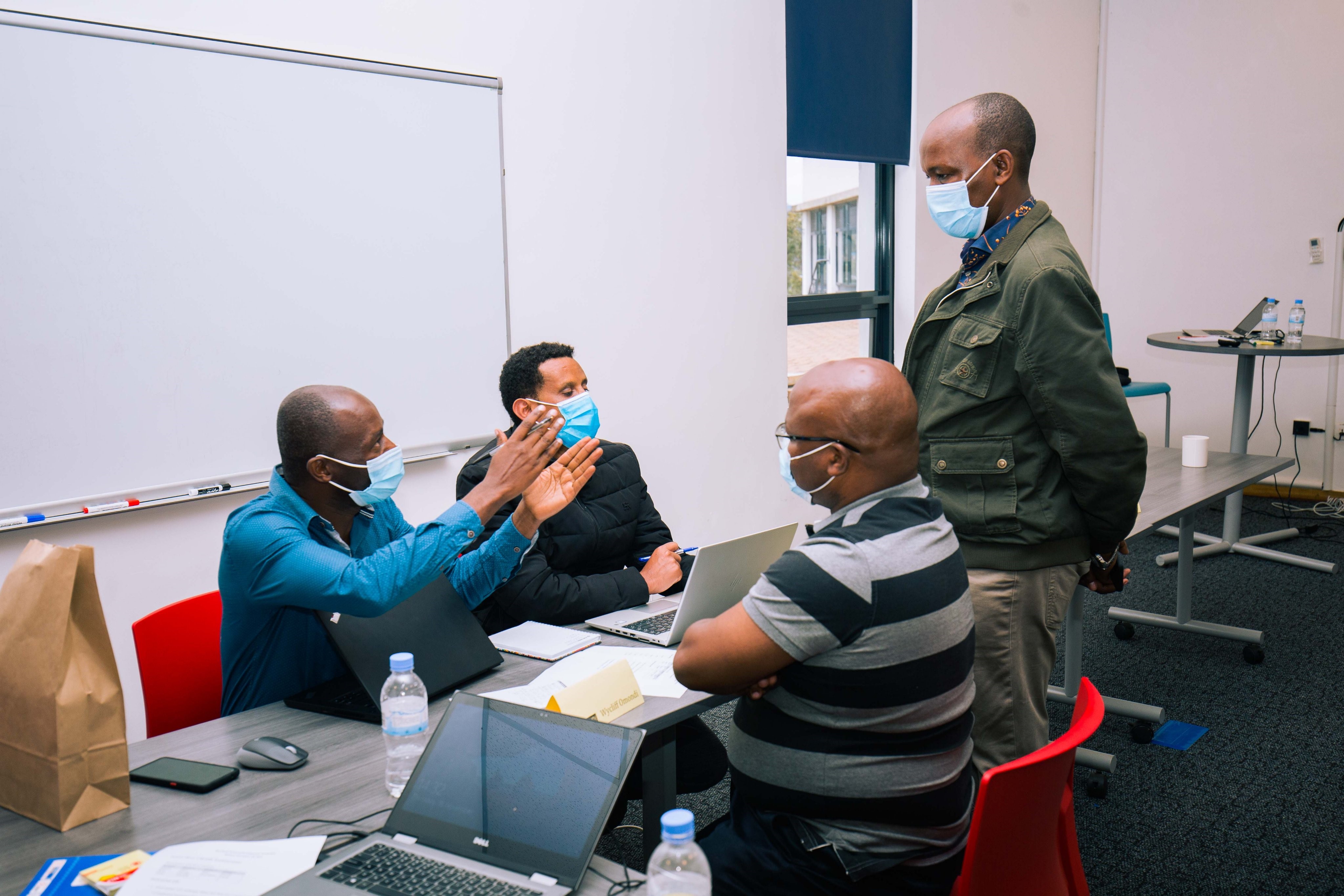
11TH EPRN ANNUAL RESEARCH CONFERENCE
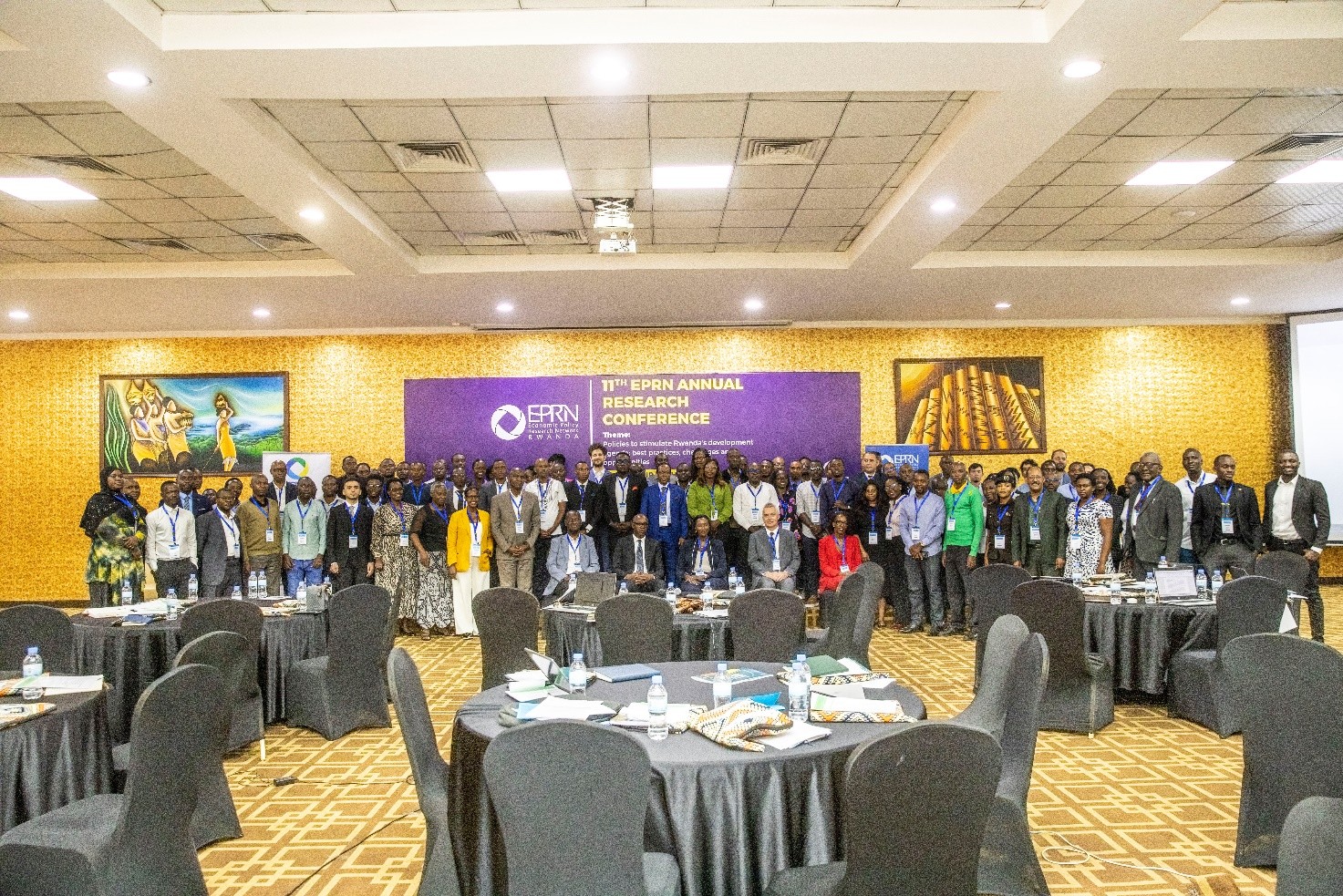
LEMIGO HOTEL KIGALI , JUNE 26TH- 27TH, 2025
1. Introduction
Rwanda aspires to become a Middle-Income Country by 2035 and a High-Income Country by 2050. Specifically, this means that GDP per capita will exceed USD 4,036 by 2035 and USD 12,476 by 2050. This will also be achieved by ensuring that all segments of society have increased opportunities to contribute to national development, including through investment in human capital and universal access to amenities, safety, and security.
All youth, women, men, people with disabilities, and elderly people will contribute as actors of sustainable development, ensuring that no one is left behind in benefiting from development.
Rwanda’s economy continued to record strong growth in the first half of 2024. After growing by an average of 8.2% in 2022–2023, real GDP increased by 9.7% in the first half of 2024. GDP growth is expected to maintain momentum in 2025–2026, with a projected average of 7.7%, supported by a recovery in global tourism, new construction projects, and manufacturing activities.
During the first National Strategy for Transformation (NST1), Rwanda made remarkable progress, with over 1.37 million jobs created between 2017 and 2023. Exports grew at an average annual rate of 21%, while export revenues increased by 137% between 2017 and 2023, driven by the “Made in Rwanda” initiative.
[1]
The overall fiscal deficit declined from 7.7% of GDP in 2022 to 7.0% in 2023 due to improved domestic resource mobilisation. The debt-to-GDP ratio also declined from 71.3% in 2022 to 66.6% in 2023 due to budget rationalisation. The current account deficit averaged 10.7% of GDP in 2022 and 2023, mainly because of the high import bill.
Despite Rwanda’s remarkable growth performance in recent years, job creation remains insufficient and productivity levels remain low. This reflects infrastructure gaps, limited progress in innovation, and suboptimal allocative efficiency. Furthermore, the inclusiveness of growth remains a key challenge, as the momentum of poverty reduction has weakened in recent years.
The benefits of structural transformation have tended to accrue to more educated workers, worsening inequality. Vulnerability to climate change and increasing pressure on natural resources are also among the key challenges that need to be addressed.
The Government of Rwanda approved the second National Strategy for Transformation (NST2), a comprehensive and forward-looking five-year plan that will run until the end of 2029. Approved on August 23, this strategy charts a bold new course for Rwanda’s continued development.
NST2 seeks to build on the progress made under the previous strategy, NST1. It is designed to lay a strong foundation for sustained growth and bring Rwanda closer to achieving higher living standards for all.
The seventh Integrated Household Living Conditions Survey (EICV 7) also shows significant improvements in citizens’ well-being, including the lifting of over 1.5 million people out of poverty over the last seven years.
To continue growing its economy towards the Vision 2050 targets, Rwanda needs to transform the structure of its economy in response to current challenges and opportunities driven by technological progress and climate change.
Furthermore, Rwanda must overcome the limitations of its small domestic market and landlocked position and strengthen its participation in global and regional value chains. There is also a need for greater reliance on private-sector investment to enhance productivity growth, raise incomes, strengthen human capital, modernise agriculture, and provide financing to address infrastructure shortfalls.
2. About the 11th Economic Research Conference
In line with the emerging developments and policy initiatives outlined above, the Economic Policy Research Network (EPRN) and its partners organised the 11th Economic Research Conference under the theme :
“Policies to Stimulate Rwanda’s Development Agenda : Progress, Challenges and Opportunities”
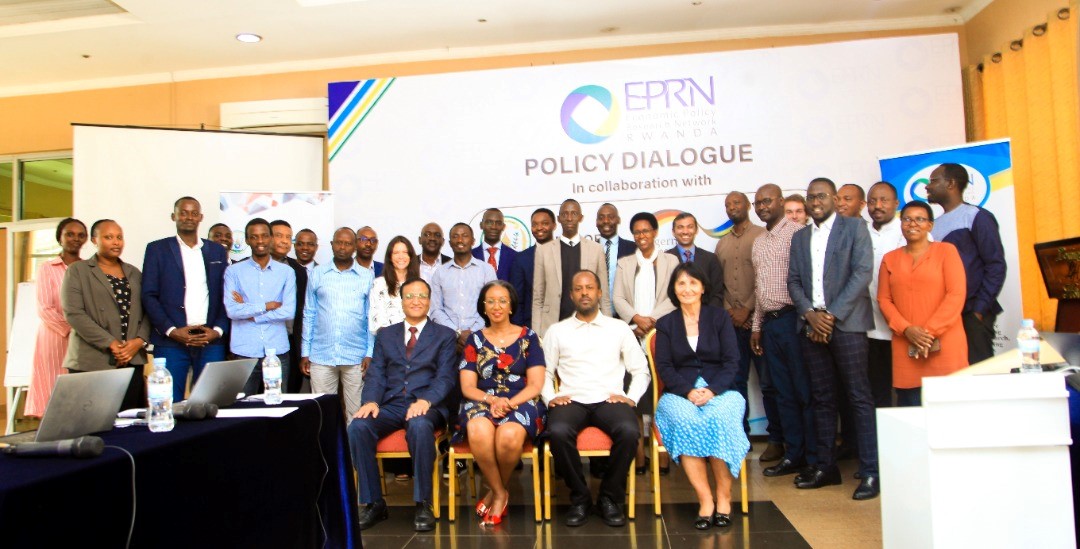
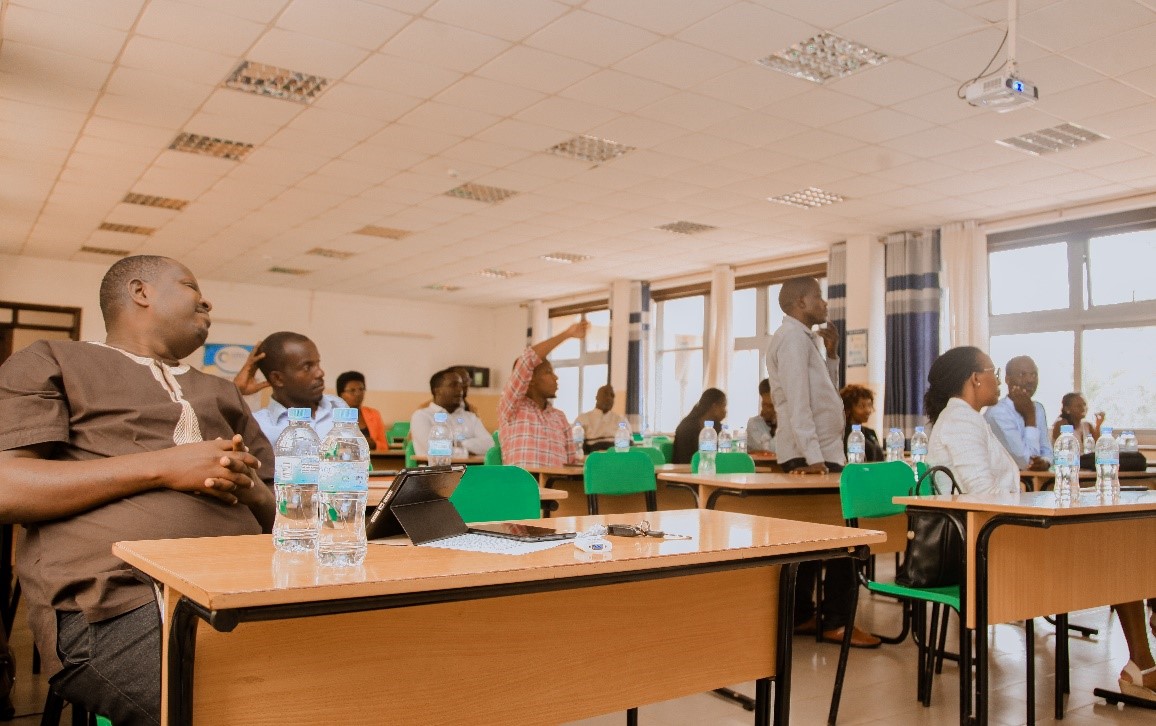
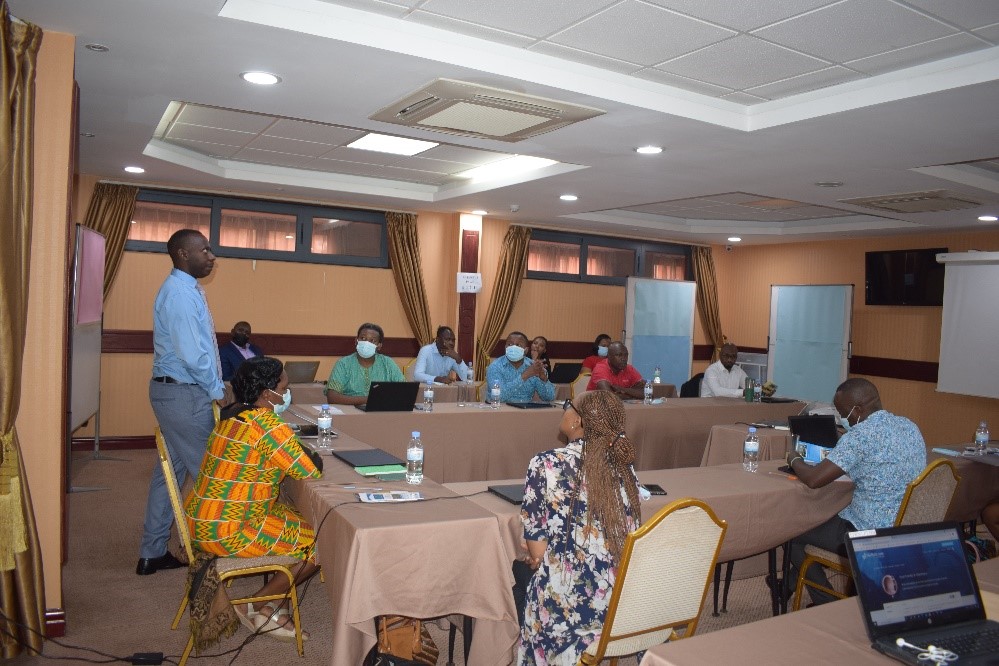
This high-level and interactive two-day research conference brought together more than 200 participants, including researchers, senior policymakers, representatives of development partners, civil society, the private sector, and the media.
During the conference, research papers and reports related to the conference sub-themes were presented and discussed. Policy recommendations were formulated and shared with relevant institutions as a contribution towards strengthening Rwanda’s economic resilience during the prevailing socio-economic shocks.
In addition to the presentations, four high-level panel discussions were organised and conducted :
a. Enhancing resilience of economies in this era of socio- economic shocks (sponsored by UNDP)
b. Domestic Revenue Mobilization through effective tax policy administration (sponsored by ICTD)
c. Youth in agribusiness, challenges and opportunities (sponsored by AKADEMIYA2063)
d. Gender policies : What is already there ? What is missing ? How can we enforce them ? (sponsored by FES and UNICEF)
Doc 1Recent post
-
-

-
-
-
6th Annual General Assembly
Oct 4, 2022 -
-
-
PRESS RELEASE
Jun 10, 2022 -
-